
Introvert Meaning: 9 Facts on the Psychology Term 2026
You cancel plans not because you don’t like your friends, but because the thought of one more conversation feels physically draining. Meanwhile someone else in your life seems to come alive the second a room fills up.
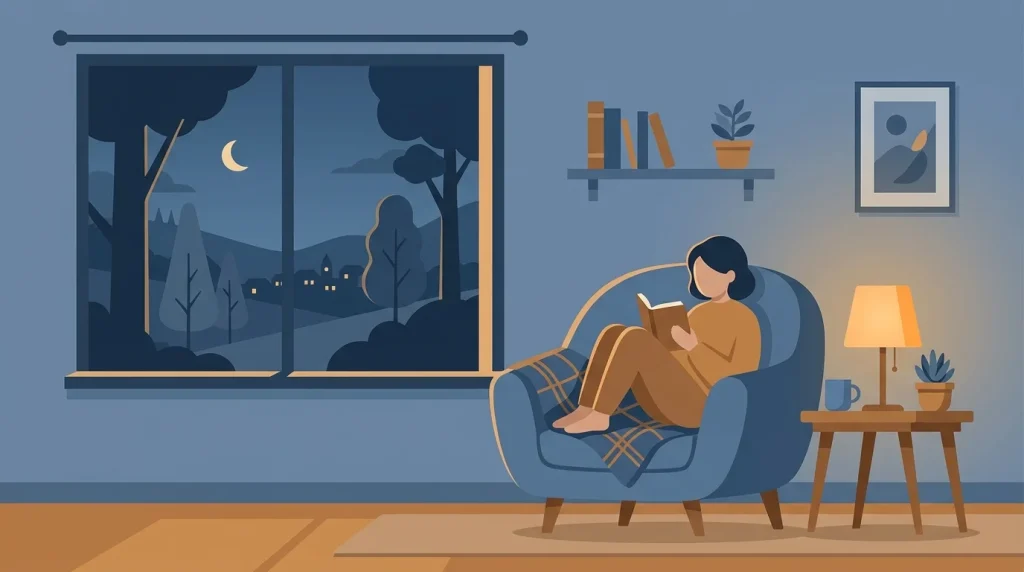
That’s not a personality flaw on either side it’s one of psychology’s oldest and most misunderstood distinctions. This guide covers what “introvert” actually means, where the term came from, what the research says about the brain science behind it, and why it’s so often confused with shyness.
Quick Answer
An introvert is someone whose energy and attention are primarily directed inward, toward their own thoughts and inner world, and who tends to feel drained rather than energized by extended social interaction. The term was coined by psychiatrist Carl Jung in 1921, and it describes where you get your energy — not how shy or sociable you are.
What Introvert Means {#literal}
At its core, introversion describes where someone’s psychological energy is primarily directed: inward, toward their own thoughts, reflections, and inner experience, rather than outward toward external people and events.
Introverts are generally more comfortable in their own inner world of ideas and feelings, and they tend to interpret situations in terms of how those situations affect them personally, rather than seeking out external stimulation for its own sake.
In modern, more popularized usage, this often gets summarized as a matter of energy management: introverts tend to feel their energy expand through quiet reflection and dwindle during extended social interaction, while the reverse is generally true for extraverts.
Importantly, the Oxford English Dictionary’s own definition, echoing Jung’s original idea, describes an introvert as someone “predominantly concerned with their own thoughts and feelings rather than with external things” — notice that “shy” isn’t actually part of that core definition, even though pop culture treats the two as interchangeable.
Where the Word Comes From {#origin}
The term traces directly to Swiss psychiatrist Carl Jung, who first used “introverted” in a 1909 lecture at Clark University, describing it in the context of psychic energy turned “inward into the subject.”
He developed the idea fully in his landmark 1921 book Psychologische Typen (published in English in 1923 as Psychological Types), where he proposed that people generally lean toward one of two fundamental attitudes toward life: introversion (energy directed inward, toward the self) or extraversion (energy directed outward, toward external people and objects).
Jung’s framework was notably more nuanced than how the terms get used today — he explicitly argued that “every individual possesses both the mechanism of introversion and that of extraversion,”
with external circumstances and inner disposition determining which one dominates at a given time, rather than treating people as belonging permanently and exclusively to one category or the other.
Introvert vs. Shy vs. Socially Anxious {#comparison}
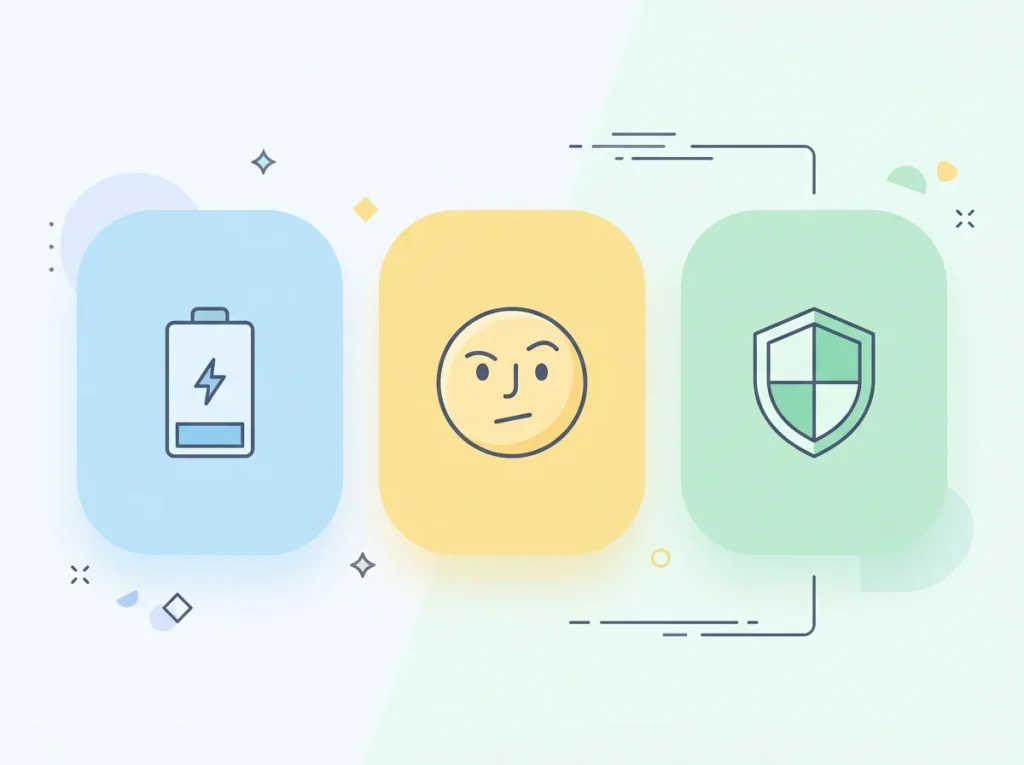
This is the single most common point of confusion, and it’s worth being precise about. Shyness describes discomfort or apprehension specifically around social judgment or unfamiliar people — a shy person may want to engage socially but feel nervous doing so.
Social anxiety goes further, involving a genuine fear of being negatively evaluated by others, often significant enough to interfere with daily functioning. Introversion is neither of these — it’s about where you draw and spend your energy, not about confidence or fear.
A useful real-world example: someone can be a confident, articulate public speaker with no fear of talking to strangers, and still be a strong introvert who needs significant alone time afterward to recover from the social output.
Conversely, plenty of extraverts do experience social anxiety despite genuinely craving interaction. Conflating these concepts is extremely common in casual usage, but psychologically they describe different things entirely.
The Science: What’s Actually Different in an Introvert’s Brain {#science}
Beyond Jung’s original clinical observations, later research has offered some biological grounding for the introvert-extravert distinction. One well-cited line of research centers on cortical arousal — the brain’s baseline level of stimulation.
Introverts tend to have higher baseline cortical arousal, meaning their brains are already more internally active even at rest, which is part of why crowded or highly stimulating environments can feel overwhelming or draining rather than exciting.
Extraverts, by contrast, tend to have lower baseline arousal and often seek out external stimulation specifically to reach a more optimal, energized state. Some brain imaging research has also found that introverts show relatively more activity in frontal-lobe regions associated with planning,
memory, and problem-solving, while extraverts show more activity in regions tied to processing incoming sensory information — a difference some researchers connect to why introverts often process decisions more slowly and deliberately.
It’s worth noting that “introversion” as a construct is still viewed with some skepticism by parts of the psychology field, since not everyone agrees on exactly how to measure or define it consistently.
Nobody Is 100% Introverted: The Ambivert Spectrum {#ambivert}
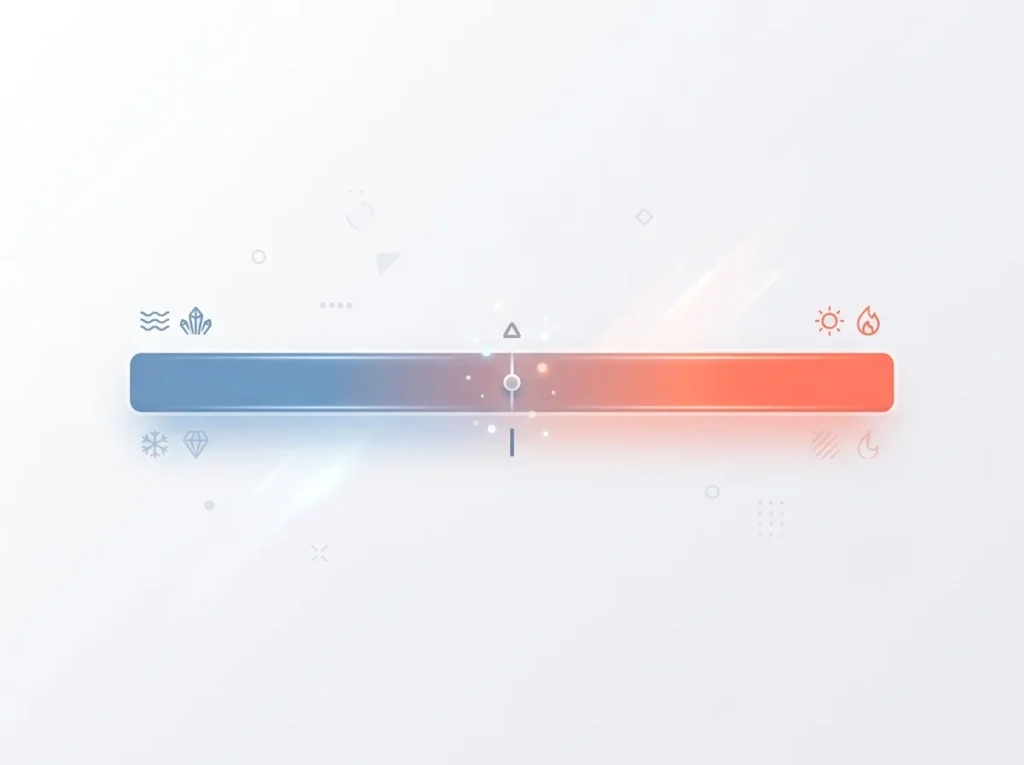
Jung was explicit that no one is purely one type or the other, and modern personality research backs this up: extraversion-introversion is now generally treated as a spectrum rather than a strict binary, with most people’s actual behavior shifting somewhat depending on the situation.
Someone who falls roughly in the middle of that spectrum, showing a genuine mix of both tendencies, is often described as an ambivert. In the Big Five personality model — the framework most contemporary academic psychologists use instead of Jung’s original typology —
introversion isn’t its own separate category at all, but simply describes the lower end of a continuous “Extraversion” trait dimension, measured by things like preference for solitude and lower overall social engagement.
Common Introvert Myths {#myths}
A few persistent misconceptions are worth clearing up directly. Introverts are not necessarily shy, awkward, or incapable of enjoying social situations — many are confident, skilled conversationalists who simply need more recovery time afterward than an extravert would.
Introversion also isn’t the same as disliking people; it’s entirely possible to deeply value close relationships while still needing significant solitary time to recharge. Finally, introversion isn’t a flaw to be corrected:
Western culture in particular tends to prize outgoing, highly sociable behavior as the default marker of confidence and success, which has historically painted introverts as somehow lacking — but there’s no actual psychological basis for treating one orientation as inherently better or healthier than the other.
Introvert Culture Today {#culture}
Beyond its clinical origins, “introvert” has become a widely embraced identity label in everyday and internet culture — the basis for relatable memes and content about canceled plans, the exhaustion of small talk, and the specific joy of a quiet night alone.
This cultural shift has done real work in normalizing a trait that was long treated as something to overcome, and it’s part of why the term is searched so much more today than it was a generation ago.
That popularization comes with a trade-off worth naming: the widely shared, meme-friendly version of “introvert” often flattens Jung’s more nuanced original idea into something closer to “I don’t like people” or “I have low social battery,” which, while relatable, is a much thinner concept than the psychological one it borrows its name from.
See Also: Habibi Meaning in text
FAQ {#faq}
What does introvert mean in simple terms? Someone whose energy and focus are primarily directed inward, toward their own thoughts, and who tends to feel drained rather than energized by extended social interaction.
Who coined the term introvert? Psychiatrist Carl Jung, who first used it in a 1909 lecture and fully developed the concept in his 1921 book Psychological Types.
Is an introvert the same as someone who’s shy? No. Shyness involves discomfort around social judgment, while introversion is about where someone draws their energy — the two often overlap but aren’t the same thing.
Can an introvert be confident and outgoing? Yes. Introversion doesn’t preclude social confidence or skill; it just means socializing tends to be more energy-depleting, regardless of how comfortable someone is doing it.
What is an ambivert? Someone who falls roughly in the middle of the introvert-extravert spectrum, showing a genuine mix of both tendencies depending on the situation.
Is introversion something you’re born with, or does it develop? Research suggests it has both biological and developmental roots — some temperament studies trace early differences back to infancy, though situational factors also influence behavior throughout life.
See Also: Demure Puns


