
Pedantic Meaning: 8 Facts on This Word’s Origin & Real Usage (2026)
Someone corrects your grammar mid-story, or insists a movie “technically” isn’t science fiction, or derails a meeting over a minor formatting detail nobody else cares about. You reach for a word, and it’s usually “pedantic.”
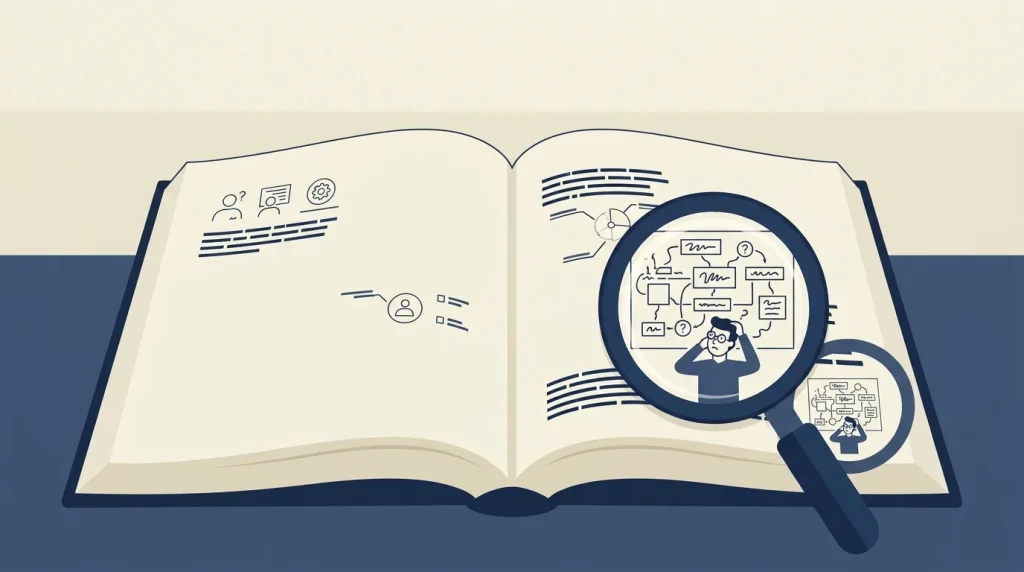
This guide covers exactly what that word means, where it comes from (there’s a genuinely ironic twist in its history), and how to tell the difference between being pedantic and simply being thorough.
See Also: Condescending Meaning
Quick Answer
Pedantic describes someone excessively focused on minor details, rules, or technical correctness, often at the expense of the bigger picture, and typically in a way that comes across as showing off or missing the point. It’s almost always used as a criticism, not a compliment.
What Pedantic Means {#literal}
Pedantic describes a fixation on minor details, technical rules, or narrow correctness, applied in a way that overshadows or ignores the larger point being made. Merriam-Webster’s definition captures the core idea well: being narrowly, stodgily, and often ostentatiously scholarly, frequently at the cost of being interesting or useful.
It’s most often applied to people — a pedantic colleague, a pedantic professor — but also to writing, speech, or arguments that get bogged down in trivial precision instead of communicating clearly.
The key distinguishing feature isn’t accuracy itself; it’s the mismatch between how much weight a detail actually deserves and how much attention it’s getting.
Where the Word Comes From {#origin}
There’s a genuinely ironic twist buried in this word’s history. “Pedantic” derives from “pedant,” which entered English in the 1580s meaning simply “schoolmaster” — a neutral, respectable job title, borrowed from the French pédant and Italian pedante, both ultimately tracing back to a Late Latin word related to “pedagogue” (teacher).
Within just a decade or two, though, the word curdled into an insult: by the 1590s, “pedant” had already picked up its now-familiar negative sense, describing someone who overrates minor points of learning or fusses over trivial detail at the expense of bigger ideas.
The adjective “pedantic” followed the same arc, with its critical sense established by the early 1600s. In other words, a word that once simply meant “teacher” became shorthand for “annoyingly obsessed with rules” astonishingly fast — a shift that says as much about how people have long felt about overly rigid teaching styles as it does about the word itself.

Pedantic vs. Meticulous vs. Thorough {#comparison}
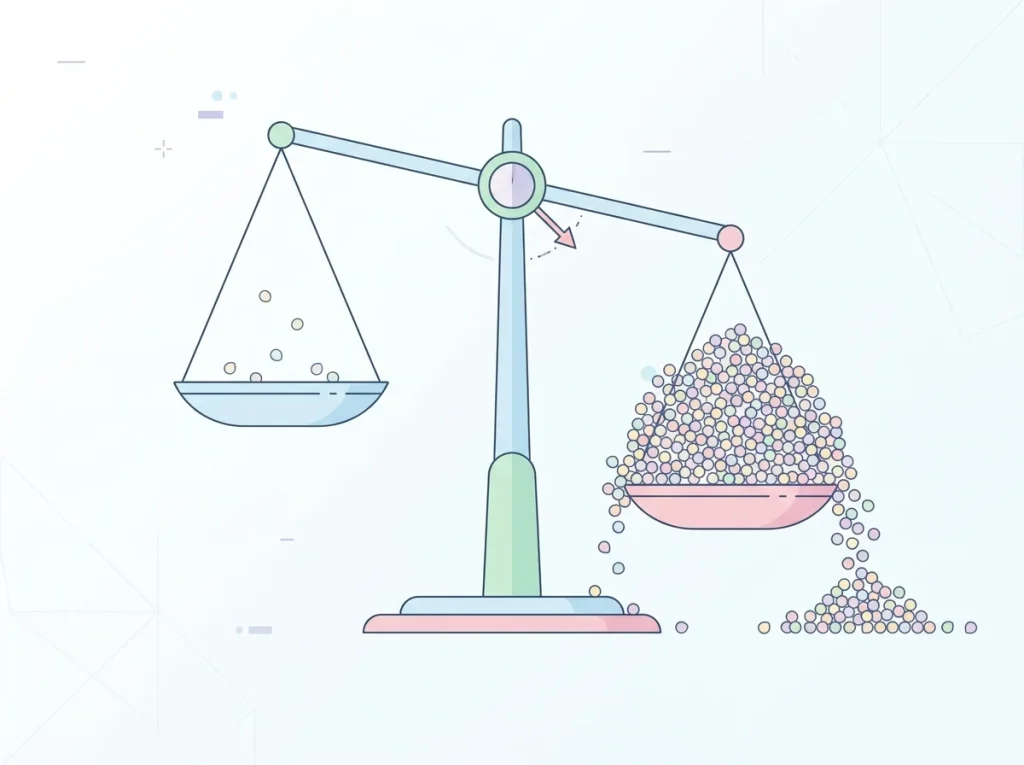
These words overlap, but the distinction matters. Thorough and meticulous both describe careful, comprehensive attention to detail applied in service of a good outcome — a meticulous surgeon or a thorough report are compliments, because the precision is actually doing useful work.
Pedantic crosses a line: the detail being fixated on is minor, often irrelevant to the actual goal, and the fixation itself becomes the problem, frequently derailing communication or collaboration rather than improving it. A useful rule of thumb: if the level of detail genuinely affects the quality or safety of an outcome (a contract’s exact wording,
a dosage calculation, a legal filing), that’s thoroughness. If the detail is trivial and the correction mostly demonstrates the corrector’s knowledge rather than improving anything, that’s pedantry.
Is Pedantic Always an Insult? {#insult}
In practice, yes — pedantic is used almost exclusively as a criticism in contemporary English, unlike a word like “didactic” (designed to teach), which can be neutral or even positive depending on context.
That said, the influential usage guide Fowler’s Concise Dictionary of Modern English made a sharp, still-relevant observation about the word: what counts as “pedantic” is genuinely relative and often depends on the observer’s own standards —
a level of precision one person dismisses as fussy nitpicking, another might view as reasonable scholarship or basic accuracy, and someone with looser standards still might see either position as simply out of touch.
This doesn’t make the word neutral, exactly, but it’s a useful reminder that calling something “pedantic” is itself a judgment call about where the line between careful and excessive actually sits — and that line moves depending on who’s drawing it.
Why “Nitpicker” and “Pedant” Became Synonyms {#nitpicker}
“Nitpicker,” now one of the most common informal synonyms for a pedantic critic, has its own interesting backstory: etymology sources date its figurative use (as opposed to literally picking nits, or lice eggs, out of hair) to the late 1940s or 1951, reportedly originating as military jargon before spreading into general use.
The literal image behind it — painstakingly picking out tiny, individually insignificant things — maps almost perfectly onto what pedantic behavior looks like in practice, which is likely why the two words became so tightly linked in everyday speech, even though they arrived at a similar meaning through completely different origins.
Why People Become Pedantic {#psychology}
Pedantic behavior doesn’t come from nowhere, and it’s worth understanding rather than just criticizing outright. It’s often linked to a genuine desire for accuracy and correctness,
sometimes rooted in academic training or professional habits where precision really does matter, applied without adjusting for context where it matters less. In other cases, it functions as a way of asserting expertise or control in a conversation, particularly when someone feels insecure or wants to establish authority.
Recognizing the difference matters practically: helpful precision adjusts to what the situation actually needs, while pedantry insists on the same level of exactness regardless of whether anyone benefits from it. Being aware of that distinction is often the first step for anyone who’s been told, fairly or not, that they’re being “a bit pedantic.”
FAQ {#faq}
What does pedantic mean in simple terms? Excessively focused on minor details or technical correctness, usually in a way that misses or overshadows the bigger point.
Is pedantic a compliment or an insult? Almost always an insult — it implies fussy, excessive attention to trivial detail, unlike more neutral words like “thorough” or “meticulous.”
Where does the word pedantic come from? From “pedant,” originally meaning “schoolmaster” in the 1580s, which quickly acquired its now-familiar negative sense within about a decade.
What’s the difference between pedantic and meticulous? Meticulous describes careful attention that improves an outcome; pedantic describes fixation on details that don’t meaningfully matter, often at the expense of clarity or collaboration.
Why do people say “nitpicker” instead of “pedant”? Both describe the same behavior — obsessing over small, individually insignificant details — though “nitpicker” comes from a completely different, unrelated origin tied to literally removing lice eggs.
Can being pedantic ever be a good thing? In contexts where exact precision genuinely matters — legal documents, scientific data, safety protocols — that level of care is usually called thoroughness rather than pedantry, since the term itself implies the detail wasn’t actually worth the fuss.
See Also: Contingent Meaning