Hawk Tuah Meaning: 8 Facts on the Viral Phrase’s Origin & Wild Afterlife 2026
Few internet phrases have had a stranger arc than this one: a nine-second street interview clip turned into a merchandise line, a chart-topping podcast, a $500 million cryptocurrency, an SEC investigation, and a documentary —

all before the phrase’s second birthday. This guide covers what “hawk tuah” actually refers to, who made it famous, and the genuinely wild business and legal saga that followed.
Quick Answer
“Hawk tuah” is a viral catchphrase and onomatopoeia coined by Haliey Welch during a June 2024 street interview, describing spitting as part of oral sex. It made Welch an overnight internet celebrity — nicknamed the “Hawk Tuah Girl” — and the phrase went on to fuel merchandise, a podcast, and a controversial memecoin.
What “Hawk Tuah” Actually Means {#literal}
“Hawk tuah” is an onomatopoeia — a made-up sound spelled out to represent a noise — meant to imitate the sound of spitting. Welch used it specifically to describe spitting as a form of lubrication during oral sex, in response to a question about what “makes a man go crazy” in bed.
The phrase itself has no meaning outside of that moment; it isn’t a pre-existing slang term or expression Welch borrowed from anywhere; it’s an invented sound she said on camera that happened to be catchy, funny, and endlessly quotable, which is a large part of why it spread as fast as it did.
Where the Phrase Came From {#origin}
The phrase originated on June 11, 2024, when a vox pop YouTube channel called Tim & Dee TV posted a street-interview video filmed in the Broadway entertainment district of Nashville, Tennessee. Welch and a friend had approached the interviewers and asked to be filmed.
After some lighter questions, one of the hosts asked Welch what move “makes a man go crazy every time” in bed, and Welch answered, in a strong Southern accent, “You gotta give ’em that ‘hawk tuah’ and spit on that thang.”
The clip was uploaded to TikTok the next day and spread rapidly across platforms after other accounts reposted it with the original watermark removed, racking up millions of views within days.
Who Is Haliey Welch? {#who}
Before going viral, Haliey Welch was a factory worker at a bedspring plant in Belfast, a small town in rural Tennessee, living with the grandmother who raised her. She was in her early 20s at the time of the interview and had no public profile whatsoever before the clip took off.
In her own account, she was initially mortified by the sudden attention and avoided leaving her house for about a week, before deciding — after seeing unofficial vendors already selling merchandise based on her clip — that she might as well profit from her own catchphrase herself.
That decision kicked off a rapid, deliberate pivot from viral clip to full-blown internet personality.
How the Meme Exploded {#explosion}
Within weeks, Welch had signed with a talent agent, built a large social media following (eventually reaching millions across Instagram, TikTok, and X), and launched a merchandise line built around the phrase. Her public appearances multiplied fast:
she joined country singer Zach Bryan onstage during a concert, threw out a ceremonial first pitch at a New York Mets game, and in September 2024 launched a podcast called Talk Tuah under Jake Paul’s media company, Betr —
which briefly climbed to the fifth spot on Spotify’s daily podcast charts, behind only Joe Rogan. For a few months, Welch became one of the more unlikely and durable examples of a meme turning into an actual media career.
The $HAWK Memecoin Scandal {#memecoin}
In December 2024, Welch’s momentum collided with real financial consequences. She launched a cryptocurrency memecoin called $HAWK on the Solana blockchain, pitched publicly as a reward for her fanbase.
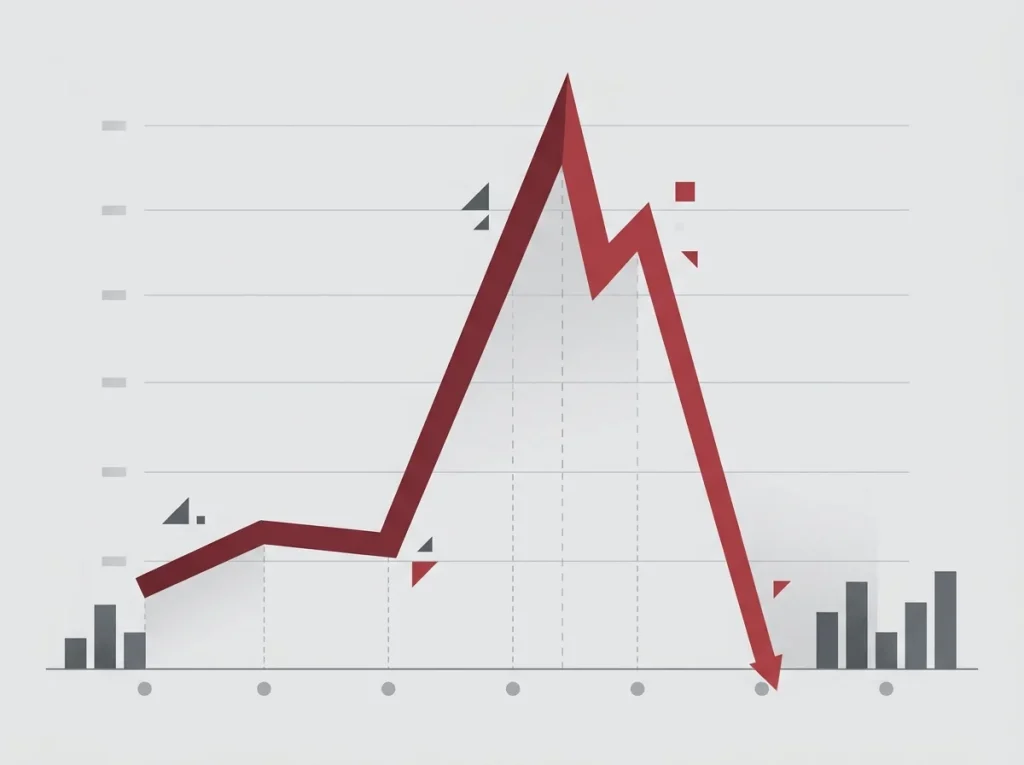
The coin’s market capitalization spiked to nearly $500 million within hours of launch, then collapsed by more than 90% within a single day, wiping out a large share of buyers’ investments.
Blockchain analysts found that the large majority of the coin’s supply had been controlled by insiders, and prominent crypto investigator Coffeezilla publicly called the rollout one of the worst memecoin launches he’d seen, alleging insider trading by people working with Welch.
A group of investors who lost a collective six-figure sum filed a class-action lawsuit in federal court; Welch herself was added to an amended version of that lawsuit in November 2025, though she has consistently maintained she had no technical involvement and was misled by her business partners about how the coin actually worked.
Where Things Stand in 2026 {#now}
The fallout was significant: Welch went largely silent on social media for months after the crash. By 2025 and reaffirmed in 2026 interviews, Welch has stated that both the FBI and SEC investigated her involvement in the coin’s collapse and ultimately found no wrongdoing on her part specifically,
which she’s described as a major turning point in rebuilding public trust. In March 2026, she gave a lengthy interview addressing the crypto saga directly, maintaining that she had simply lent her name and face to the project without understanding its mechanics.
She’s since made a brief acting cameo in the Hulu series Chad Powers, and more recently launched a paid subscription profile on the creator platform Fanfix, offering fans exclusive posts and direct messaging for a monthly fee — a pivot that’s drawn a mixed reaction from her remaining fanbase. A documentary about her rise was also announced in 2025.

Why the Phrase Stuck Around So Long {#why}
Most viral catchphrases fade within weeks; “hawk tuah” is a rare case that generated an actual, if chaotic, career arc spanning multiple industries — merchandise, podcasting, sports appearances, cryptocurrency, and now subscription content.
Part of that staying power comes down to Welch’s own willingness to lean into the moment rather than shy away from it, and part of it comes from the sheer unpredictability of her story, which kept giving media outlets new chapters to cover well past the point most memes would have been forgotten.
It’s a useful case study in just how far a nine-second clip can travel when the person at the center of it commits to riding the wave.
See Also: Orgo Mean
FAQ {#faq}
What does “hawk tuah” mean? It’s an invented sound (onomatopoeia) coined by Haliey Welch to describe spitting as part of oral sex, said during a viral 2024 street interview.
Who is the “Hawk Tuah Girl”? Haliey Welch, a Tennessee woman who became an internet celebrity after her viral interview clip, later launching a podcast, merchandise line, and cryptocurrency.
What happened with the Hawk Tuah memecoin? Welch launched a cryptocurrency called $HAWK in December 2024 that spiked to a $500 million market cap before crashing over 90% within a day, leading to a class-action lawsuit.
Was Haliey Welch charged with a crime over the memecoin? No. She has stated that the FBI and SEC investigated her involvement and found no wrongdoing on her part, though she was added to a civil lawsuit in late 2025.
Is Talk Tuah still running? The podcast went on an extended hiatus following the memecoin crash; Welch has since re-emerged publicly through interviews, an acting cameo, and other projects.
What is Haliey Welch doing now? As of 2026, she’s given interviews addressing the crypto controversy, appeared in a Hulu series, and launched a paid subscription profile on the creator platform Fanfix
See Also: Shrink Mean