
Debauchery Meaning: 7 Facts, Origins & Common Misconceptions (2026)
A historical novel describes a decadent royal court “descending into debauchery,” and it’s easy to picture exactly what’s implied — excess, indulgence, a loss of restraint. It’s also easy to assume the word must be connected to Bacchus,

the Roman god practically synonymous with that kind of excess. It isn’t. This guide covers what debauchery actually means, its genuinely uncertain word history, and why that Bacchus connection is a myth worth clearing up.
See Also: Naive Meaning
Quick Answer
Debauchery means excessive indulgence in sensual pleasures — typically referring to behavior involving sex, alcohol, or drugs considered immoral, decadent, or lacking in restraint. It comes from Old French, originally meaning “to lead astray” from duty or allegiance, before narrowing into its modern sense around the early 1600s.
What Debauchery Means
At its core, debauchery describes extreme indulgence in bodily pleasures, especially sexual pleasure, alcohol, and drug use — behavior widely considered immoral, decadent, or lacking any self-restraint.
It’s most often used to describe a pattern or period of excess rather than a single isolated act: “a life of debauchery” or “the debauchery of the court” implies sustained, repeated indulgence rather than one bad night.
The word carries an inherently judgmental undertone, historically used to condemn this kind of behavior as sinful or morally corrupt. That said, it’s also frequently used today in a somewhat ironic,
self-aware way by people describing their own wild nights or parties — using the word almost affectionately to celebrate the excess rather than genuinely condemn it.
Where the Word Comes From
Debauchery entered English in the early 1600s, built from the earlier verb “debauch,” which itself came from the Middle French débaucher, meaning “to entice from work or duty.”
That, in turn, traces to the Old French desbaucher, “to lead astray” — a word etymologists describe as genuinely uncertain in its deeper origin.
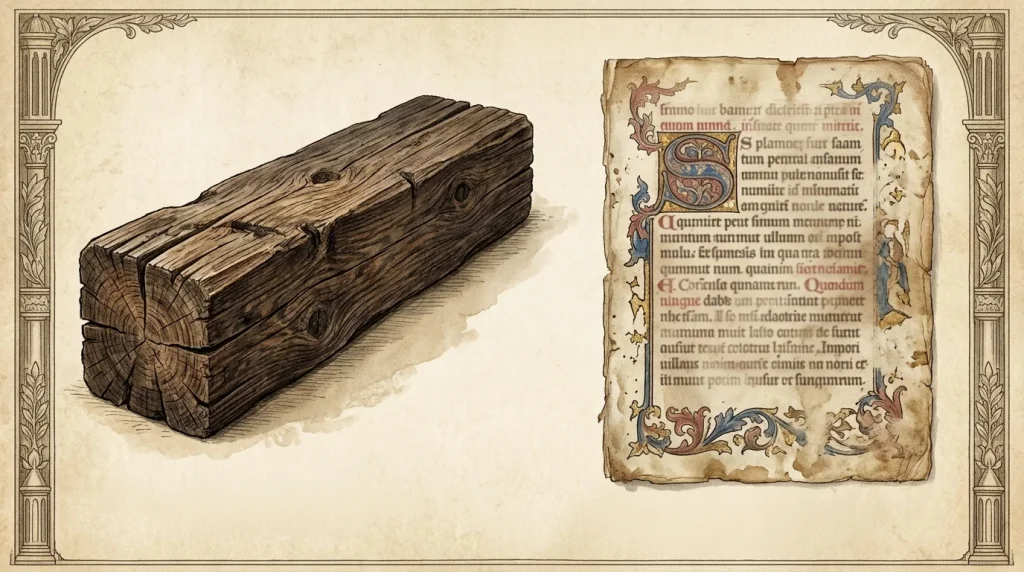
The most commonly proposed explanation ties it to a word for a wooden beam (bauch, from a Frankish or Germanic source), suggesting an original sense connected to carpentry — possibly “to trim a beam,” metaphorically extended into “shaving someone away” from their responsibilities.
An alternative theory ties the root instead to a word meaning “workshop,” pointing toward the more straightforward image of luring someone away from their job. Etymonline is honest that the exact path from either of these literal senses to “lead astray” isn’t fully clear, and I’m presenting it the same way here rather than picking one story as definitively settled.
Not Related to Bacchus — A Common Misconception
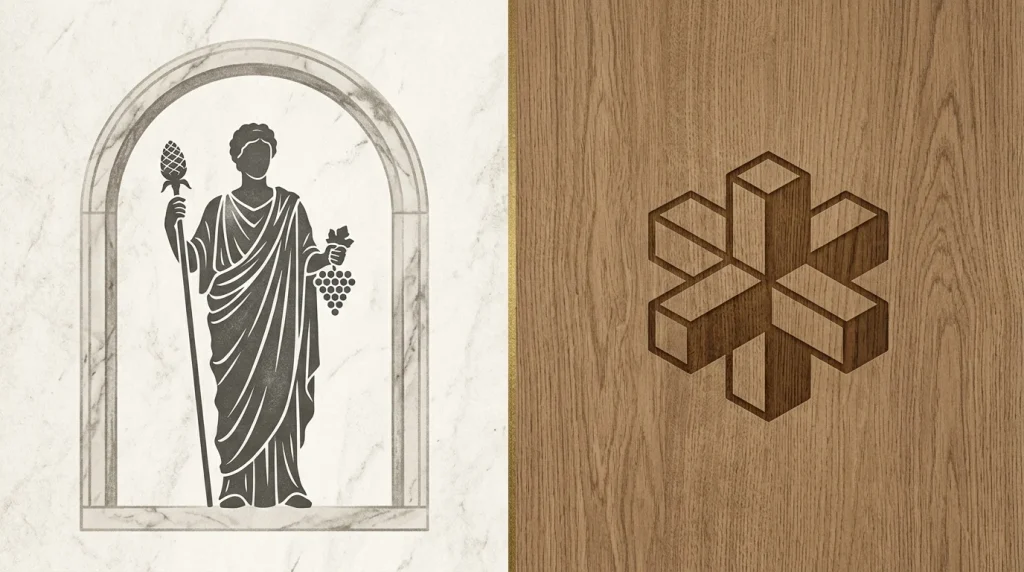
Given how naturally “debauchery” pairs with wine, feasting, and excess, it’s an easy — and completely understandable — assumption that the word is linguistically connected to Bacchus, the Roman god of wine, revelry, and indulgence. It isn’t. The two words come from entirely unrelated roots:
debauchery traces to the Old French “lead astray” root described above, while Bacchus derives from an unrelated Latin word associated with “berry,” referencing grapes and winemaking. The thematic overlap between the god and the word is a coincidence of meaning, not a shared linguistic history.
From “Leading Astray” to Modern Meaning
The verb “debauch” first appeared in English in the 1590s meaning simply “to entice, seduce, or lead astray” — specifically in the sense of pulling someone away from an existing duty, allegiance, or family obligation, without any inherent sexual or hedonistic meaning yet.
By around 1600, the word had narrowed toward its more specific modern sense: seducing someone from virtue or morality, particularly through lewdness, and Merriam-Webster notes this narrower sense was historically applied especially to corrupting women.
The noun “debauchery” itself is first documented in 1642, in the writing of poet John Milton. Interestingly, its earliest noun use in English leaned toward describing overindulgence in eating or drinking specifically, before broadening into the fuller modern sense covering sexual excess, drug use, and general uninhibited indulgence together.
Debauchery vs Decadence
The two overlap but aren’t quite synonyms:
- Debauchery specifically implies active indulgence in behavior considered immoral — alcohol, drugs, sex — with a stronger moral judgment built in.
- Decadence is somewhat broader, describing luxury, excess, or moral/cultural decline more generally, and doesn’t always carry the same specific connotation of sexual or substance-related indulgence that debauchery does.
FAQ
What does debauchery mean in simple terms? It means excessive, often immoral indulgence in sensual pleasures — typically involving sex, alcohol, or drugs.
Is debauchery related to the god Bacchus? No — despite the thematic overlap, the two words come from completely unrelated linguistic roots.
Where does the word debauchery come from? It comes from Old French, likely tied to a word meaning “beam” or possibly “workshop,” originally meaning “to lead someone astray” from their duty, before narrowing into its modern sense by the early 1600s.
When was debauchery first used in English? The noun is first documented in 1642, in the writing of poet John Milton, though the related verb “debauch” appeared earlier, in the 1590s.
Is debauchery always about sex specifically? No — it broadly covers excessive indulgence in sex, alcohol, and drug use together, and its earliest documented noun use actually leaned toward overeating and drinking rather than sexual excess specifically.
Is debauchery always used negatively? Traditionally yes, but it’s also commonly used today in a lighter, somewhat ironic or celebratory way by people describing their own wild nights out, rather than as a genuine moral condemnation.