
Naive Meaning: 7 Facts, Origins & Naive Art (2026)
Calling someone naive rarely feels like a compliment — it usually means they trusted the wrong person or missed an obvious catch. But the word wasn’t always this critical, and it shares a surprisingly close relationship with a much more neutral,

everyday word. This guide covers what naive actually means, the etymological twin hiding inside it, and the specific contexts where it’s not an insult at all.
Quick Answer
Naive describes someone who lacks experience, sophistication, or judgment, often making them too trusting or easily deceived. It comes from French and Latin roots meaning
“natural” or “native,” and while it’s typically a mild criticism today, it can also describe a genuinely positive, unaffected simplicity in certain specialized contexts.
What Naive Means
At its core, naive describes a lack of worldly experience, critical judgment, or sophistication — often specifically implying that someone is too trusting, easily fooled, or unaware of how complicated or self-interested a situation actually is.
Calling a plan or belief “naive” suggests it doesn’t account for real-world complications that a more experienced or skeptical person would have anticipated.
The word usually carries a mildly critical edge in everyday use — nobody particularly enjoys being called naive — but it’s rarely an especially harsh insult. It tends to imply innocence or inexperience more than malice or stupidity.
Where the Word Comes From
Naive comes from the French naïve (the feminine form of naïf), which traces back to the Latin nativus, meaning “native” or “natural.” The Oxford English Dictionary’s earliest documented use of the word in English dates to before 1614, found in the writing of James Melville, a Scottish Church of Scotland minister and diarist.
Here’s the detail worth knowing: naive and native are genuine etymological twins, both descending directly from that same Latin root, nativus, just arriving in English through slightly different paths.
In its earliest sense, naive described something unaltered, natural, or inborn — much closer to the neutral meaning “native” still carries today — before it gradually narrowed into describing a person’s lack of sophistication or worldly experience specifically.
From “Natural” to “Gullible”: How the Meaning Shifted
The word’s journey from “natural, unspoiled” to today’s more critical “easily deceived” meaning happened gradually. Early uses of naive leaned toward describing something genuinely, admirably unaffected — natural rather than artificial, without any strong negative judgment attached.
Over time, as the word increasingly got applied to people rather than things or qualities in the abstract, it picked up the connotation of inexperience specifically, and eventually a mild critical edge: someone whose “naturalness” made them easy to take advantage of.
Is Naive Always an Insult?
Not entirely. While calling a person naive in ordinary conversation is typically a mild criticism, the word retains a more neutral, even admiring sense in certain specific contexts — precisely because it never fully lost its original “natural, unaffected” meaning.
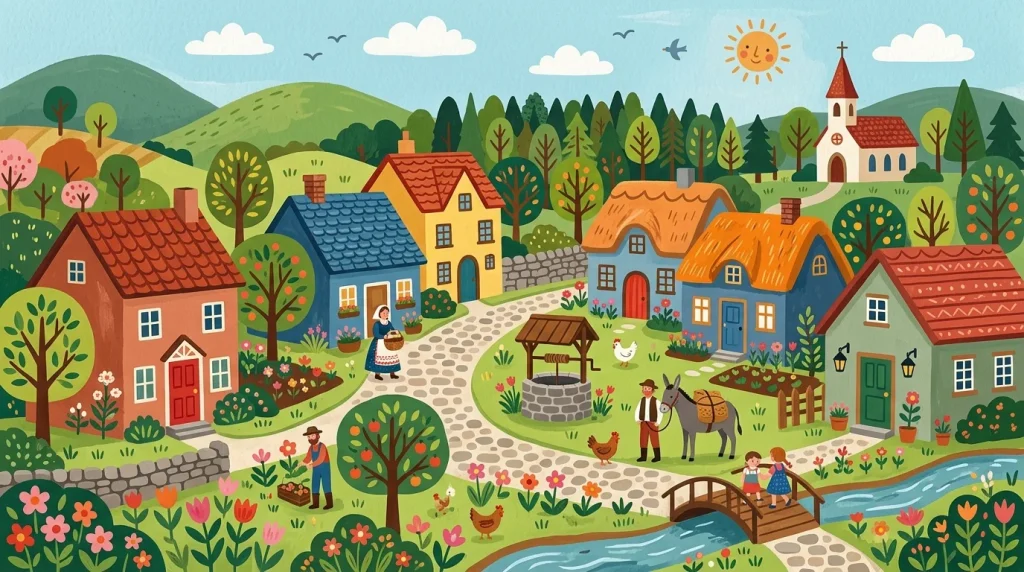
Naive art is a recognized, respected art term describing work in a deliberately simple, unrefined, often bright and childlike style, frequently produced by artists without formal academic training.
Here, “naive” describes an appealing artlessness and directness, not a flaw — a genuinely positive use of the word that most everyday definitions skip past entirely.
A Technical, Scientific Sense
Beyond art and everyday conversation, naive also shows up as a precise technical term in medical and scientific research, where it describes a subject who hasn’t previously been exposed to a specific treatment, substance, or condition.
“Treatment-naive” or “drug-naive” describes a patient who hasn’t yet received a particular medication or therapy, useful shorthand in clinical research for distinguishing subjects with no prior relevant exposure from those who’ve already been treated. This sense is entirely neutral and carries none of the mild criticism the everyday usage does.
Naive vs Gullible vs Innocent
These words overlap but aren’t identical:
- Naive emphasizes a general lack of experience or worldly sophistication, which may or may not lead to being deceived.
- Gullible specifically emphasizes being easily tricked or deceived, without necessarily implying broader inexperience.
- Innocent is broader and more neutral, often implying a lack of exposure to negative or harmful things generally, without the specific connotation of being easily fooled that naive and gullible both carry.
FAQ
What does naive mean in simple terms? It means lacking experience, sophistication, or judgment, often in a way that makes someone too trusting or easily deceived.
Is naive related to the word native? Yes — they’re genuine etymological twins, both descending from the same Latin root, nativus, meaning “native” or “natural.”
Is calling someone naive always negative? Mostly it carries a mild criticism, though the word retains a genuinely positive sense in specific contexts, like naive art, where it describes an appealing, unaffected simplicity rather than a flaw.
What is naive art? A recognized art style featuring deliberately simple, often bright and childlike visual qualities, frequently produced by artists without formal academic training.
What does “treatment-naive” mean? A neutral medical and research term describing a patient who hasn’t previously received a specific treatment, medication, or exposure being studied.
What’s the difference between naive and gullible? Naive describes general inexperience or lack of sophistication, while gullible more specifically emphasizes being easily tricked or deceived.
See Also: Debauchery Meaning