Bugbear Meaning: 7 Facts, Origins & D&D Connection 2026
Someone mentions their biggest “bugbear” at work, and unless you already know the word, you might picture an actual insect-bear hybrid crawling around the office. It’s neither — and the real story behind the word is stranger and more interesting than the literal reading suggests.

This guide covers what bugbear actually means, where the odd combination of “bug” and “bear” came from, and how the word connects to a very different, monster-shaped meaning still in use today.
See Also: Celibate Meaning
Quick Answer
Bugbear means a persistent source of annoyance, worry, or dread — something that repeatedly irritates or troubles a person. It’s also an older word for an imaginary monster used to frighten children, and the name of a specific creature in the Dungeons & Dragons game.

What Bugbear Means Today
In modern usage, a bugbear is a recurring source of irritation, worry, or dread — something that keeps bothering a person, often over a long period, rather than a single one-off annoyance.
You’ll commonly see it used for long-standing complaints in business, politics, and everyday life: “inflation has long been a bugbear for economists,” or “his biggest bugbear is people who don’t reply to emails.”
The word carries a slightly more thoughtful, literary tone than blunter alternatives like “annoyance” or “pet peeve” — it’s common in writing, journalism, and formal speech rather than casual slang.
Where the Word Comes From
Here’s the genuinely fun part most explanations skip: a bugbear is, as Merriam-Webster puts it, neither a bug nor a bear. The “bug” doesn’t refer to an insect at all — it comes from the Middle English word bugge,
an old term for any kind of frightening or imaginary creature, covering everything from ghosts to goblins to scarecrows. That obsolete sense of “bug” survives today mainly in this word and its cousin “bugaboo.”
In the 1500s, that “bug” was combined with “bear” (the animal) to form bugbear — even though there’s surprisingly little solid evidence that either word, on its own, was ever imagined in an actual bear-like form.
Based on its earliest recorded uses, bugbear functioned as a general term for anything causing fear or dread, not specifically a bear-shaped monster.
One folklore-focused source does claim that in medieval England, the bugbear was specifically pictured as a kind of hideous, evil bear — a detail that contradicts the more cautious etymological sources. Since these claims genuinely conflict, it’s worth noting both rather than presenting either version as settled fact.
Bugbear as a Folklore Monster {#folklore-monster}
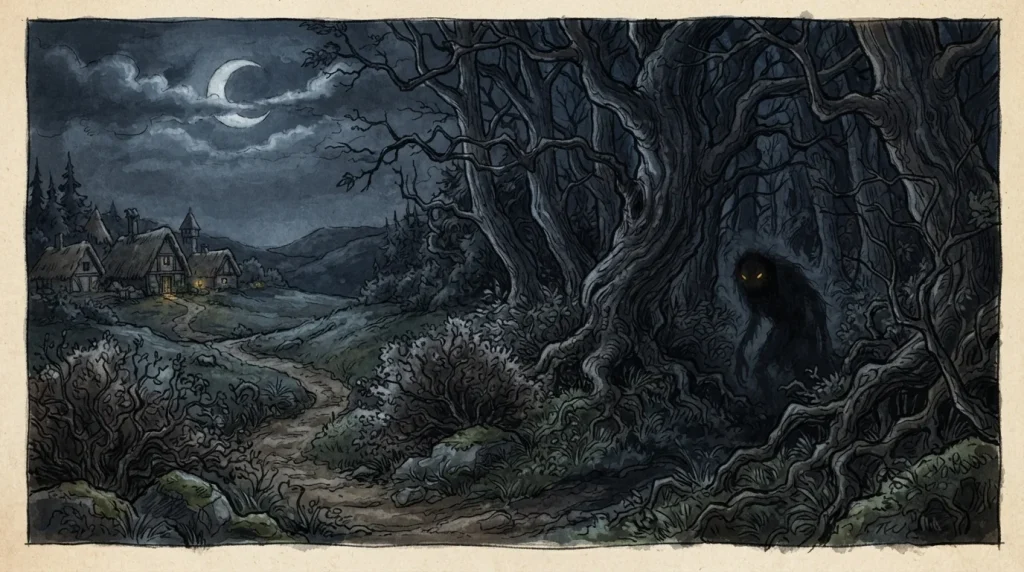
Before it settled into its modern “recurring annoyance” meaning, bugbear referred more literally to an imaginary monster or goblin-like creature used to frighten disobedient children — comparable to the boogeyman, and related to similar folklore figures across different cultures, like the bugaboo.
This “imaginary monster” sense is documented as slightly later than the general “something that causes dread” sense, but both meanings have persisted side by side into modern English.
Bugbear vs Pet Peeve {#bugbear-vs-pet-peeve}
The two overlap but aren’t quite identical:
- Bugbear tends to imply something more persistent, significant, or emotionally weighty — a long-running frustration, often shared by a group (an industry’s bugbear, a generation’s bugbear), and sometimes closer to a genuine worry than a minor irritation.
- Pet peeve is generally lighter and more personal — a specific small habit or situation that bothers an individual, often something others might not even notice or care about.
You could reasonably call a chronic industry-wide problem a bugbear, but calling it a “pet peeve” would understate it; the reverse is also true for something truly minor and idiosyncratic.
Bugbear in Dungeons & Dragons {#dnd-connection}
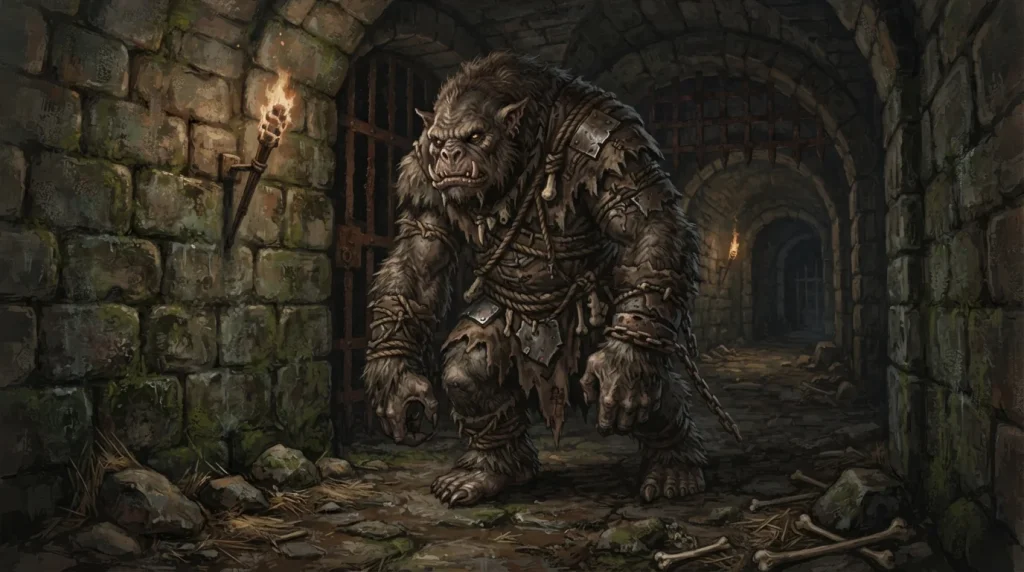
Separately from the “annoyance” meaning, bugbear is also the name of a specific hobgoblin-like creature race in the Dungeons & Dragons tabletop game — large, hairy,
and menacing humanoid monsters, drawing directly on the word’s older folklore sense as a frightening, monstrous being.
This is likely where many people, especially younger audiences or gamers, first encounter the word at all, well before running into its “recurring annoyance” meaning in writing or conversation.
How to Use Bugbear in a Sentence {#how-to-use-it}
A few examples:
- “Noisy open-plan offices are a longtime bugbear of mine.”
- “Late trains have been a persistent bugbear for commuters in the region.”
- “One of the professor’s biggest bugbears is students who don’t cite their sources properly.”
- “The party’s low-level ranger was ambushed by a bugbear in the forest.” (D&D/folklore sense)
FAQ
What does bugbear mean in simple terms? It means a recurring, ongoing source of annoyance, worry, or frustration — something that keeps bothering someone over time.
Is a bugbear a real animal? No. Despite combining “bug” and “bear,” it’s not based on either — the “bug” comes from an old word for frightening imaginary creatures in general, unrelated to insects.
Where does the word bugbear come from? It comes from the Middle English bugge, meaning a frightening or imaginary being, combined with “bear” in the 1500s to form bugbear.
What’s the difference between a bugbear and a pet peeve? A bugbear typically implies something more persistent or significant, sometimes shared by a whole group, while a pet peeve is usually a smaller, more personal irritation.
Is bugbear related to Dungeons & Dragons? Yes, separately from its “annoyance” meaning, bugbear is also the name of a large, monstrous creature race in the D&D game, drawing on the word’s older folklore sense as a frightening being.
Was a bugbear originally imagined as an actual bear? This is genuinely disputed. Some folklore sources describe medieval bugbears as bear-like creatures, while etymological sources note there’s little solid evidence either “bug” or “bugbear” was consistently pictured in bear form.