
Eno Meaning: 9 Facts, Fruit Salt, Brian Eno & Opera Explained (2026)
Depending on where you’re reading this from, “Eno” might immediately bring to mind a fizzy glass of antacid after a heavy meal, a pioneering musician who helped invent ambient music, or a London opera house —

and all three are completely legitimate, completely unrelated answers. This guide covers all the major meanings of Eno, corrects a popular but shaky founding legend behind the famous fruit salt brand, and helps you land on the right one for whatever brought you here.
See Also: Abut Meaning
Quick Answer
Eno most commonly refers to one of three unrelated things: (1) Eno, a popular over-the-counter antacid and “fruit salt” brand, especially well known across South Asia and the UK; (2) Brian Eno, an influential English musician, producer, and pioneer of ambient music; or (3) English National Opera (ENO), a major opera company based in London.

Eno the Antacid: What It Is and How It Works
Eno is a widely used over-the-counter antacid brand, produced today by Haleon, primarily composed of sodium carbonate, sodium bicarbonate, and citric acid. When mixed with water, these ingredients react to create an effervescent,
fizzing solution that neutralizes stomach acid on contact, providing relief from indigestion, heartburn, and acid reflux. According to the brand’s own current marketing, Eno is formulated to dissolve quickly and begin working within seconds of being consumed.
Eno remains an extremely popular household product across many parts of the world, particularly in South Asia, where it’s a common go-to remedy kept in many households for occasional stomach discomfort after heavy or spicy meals, alongside its continued presence in the UK market where it originated.
The Real History Behind the Eno Brand
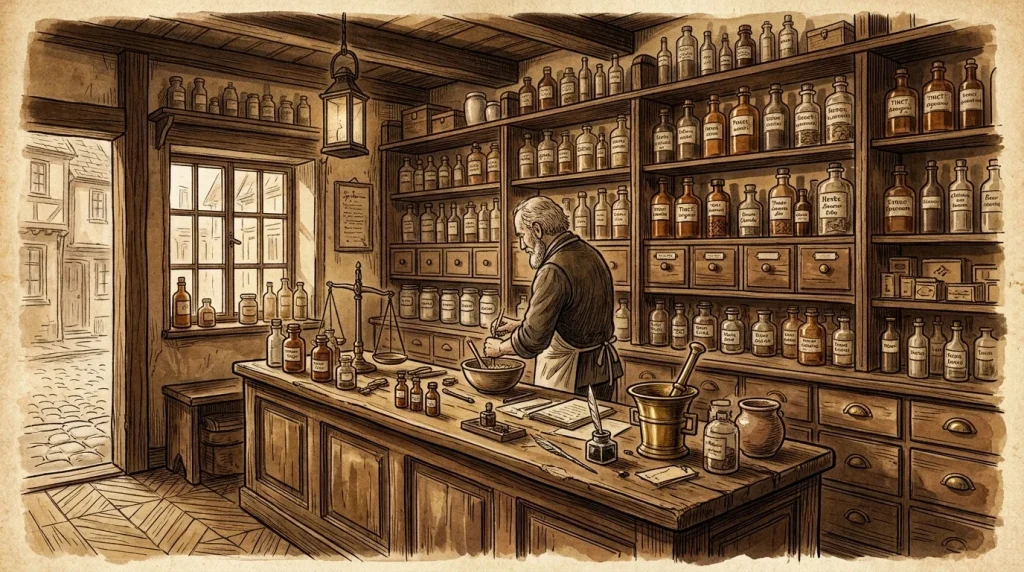
Eno was first marketed by James Crossley Eno (1827–1915), a pharmacist. He opened a pharmacy where he began making his effervescent mixture in 1852, and later gave away his branded product to sea captains passing through port — a distribution strategy that helped the Eno name spread internationally well beyond its original local market. By 1865,
demand had grown enough that he needed larger premises, and in 1868 he formally founded the company as Eno’s “Fruit Salt” Works, later relocating to a larger factory in Hatcham that employed around 50 people by 1884. Like most patent medicines of the era, Eno was advertised heavily as it grew into a globally recognized brand.
Correcting the Popular Founding Legend
Here’s where it’s worth being precise rather than repeating a tidier, commonly told version of the story. A popular founding legend holds that James Eno developed his idea for the product while working at a Newcastle infirmary pharmacy alongside a doctor named Dennis Embleton, who reportedly prescribed a similar effervescent drink to patients, which Eno then supposedly adopted and commercialized.
According to Wikipedia’s more carefully sourced account, this legend doesn’t actually hold up chronologically: Eno had already opened his own pharmacy and begun making his fruit salt mixture in 1852 — a full year before Embleton arrived to work at that same infirmary.
The same source notes that fruit salt mixtures combining sodium bicarbonate and citric acid were already fairly common at the time, meaning Eno’s real achievement was likely more about effective branding, packaging, and global distribution of an existing general remedy concept,
rather than personally inventing something entirely new from a specific doctor’s prescription. It’s a more grounded, if slightly less romantic, version of the brand’s origin than the commonly repeated legend suggests.
Brian Eno: Musician, Producer, and Ambient Music Pioneer
Separately from the antacid brand, “Eno” is also closely associated with Brian Eno (born Brian Peter George Eno, May 15, 1948), an English musician, songwriter, record producer, visual artist, and author widely regarded as one of the most influential and innovative figures in popular music.
Eno is best known for pioneering ambient music and electronica, and for his extensive work as a producer, having shaped major records across rock and pop music throughout a career spanning more than five decades.
Eno first gained wide recognition as a member of the glam rock band Roxy Music in the early 1970s before pursuing a prolific solo career and becoming one of the most sought-after producers in popular music, working with major artists across genres. Describing himself as a “non-musician,”
Eno became known for introducing unconventional approaches and concepts to how music is made and produced, influencing generations of artists well beyond his own recorded output. His brother, Roger Eno, is also a working musician.

English National Opera (ENO)
“ENO” is also the commonly used abbreviation for English National Opera, a major British opera company based at the London Coliseum in St Martin’s Lane. Alongside the Royal Opera at Covent Garden, ENO is one of London’s two principal opera companies, distinguished specifically by performing all its productions in English rather than their original language.
The company’s roots trace back to the late 19th century, when philanthropist Emma Cons, later assisted by her niece Lilian Baylis, began presenting theatrical and operatic performances at the Old Vic for the benefit of local audiences. Since then, ENO has staged numerous world and British premieres and has been led by numerous notable music directors and guest conductors over its history.
ENO has faced significant recent challenges: in 2023–2024, the company was removed from Arts Council England’s regular annual funding portfolio, resulting in the loss of a substantial annual grant, and was told it would need to relocate outside London to qualify for future funding support.
This led to a formal strike ballot among Musicians’ Union members at ENO in early 2024, with the vast majority voting in favor of strike action. The company has since been given additional time and transitional funding to facilitate a move, including exploring a partnership with Greater Manchester, though the situation and ENO’s long-term structure remained an active, evolving story.
Other, Less Common Meanings of Eno
A few additional, unrelated uses of the name are worth a brief mention:
- Eno River — a river in North Carolina, United States, and the surrounding unincorporated community also named Eno
- Eno Center for Transportation — a nonprofit transportation policy think tank based in Washington, D.C.
- Daikan Enō — the Japanese name for Huineng, an important patriarch in the history of Zen (Chan) Buddhism
- Eno (surname) — carried by several other notable individuals, including Ghanaian rapper Eno Barony, German rapper Eno, and American football player Eno Benjamin
None of these carry any meaningful connection to the antacid brand, the musician, or the opera company — they’re simply additional, unrelated uses of the same short name.
FAQ
What is Eno used for? Eno is an over-the-counter antacid, or “fruit salt,” used to relieve indigestion, heartburn, and acid reflux by neutralizing stomach acid.
Who invented Eno? James Crossley Eno, a pharmacist who began making the effervescent mixture in 1852 and formally founded Eno’s “Fruit Salt” Works in 1868.
Is the popular story about Eno’s origin accurate? Not entirely — the commonly repeated legend involving a doctor named Dennis Embleton doesn’t hold up chronologically, since Eno had already begun making his product a year before Embleton arrived at the relevant infirmary, according to Wikipedia’s sourced account.
Who is Brian Eno? An influential English musician, producer, and pioneer of ambient music, known both for his solo work and for producing major records across rock and pop music over a career spanning more than five decades.
What does ENO stand for in opera? English National Opera, a major opera company based in London, notable for performing all its productions in English.
Is ENO the same as the Royal Opera? No — they’re separate companies. ENO, based at the London Coliseum, performs in English, while the Royal Opera, based at Covent Garden, is the other principal opera company in London.
What are the main ingredients in Eno? Sodium carbonate, sodium bicarbonate, and citric acid, which combine to create an effervescent, acid-neutralizing solution when mixed with water.